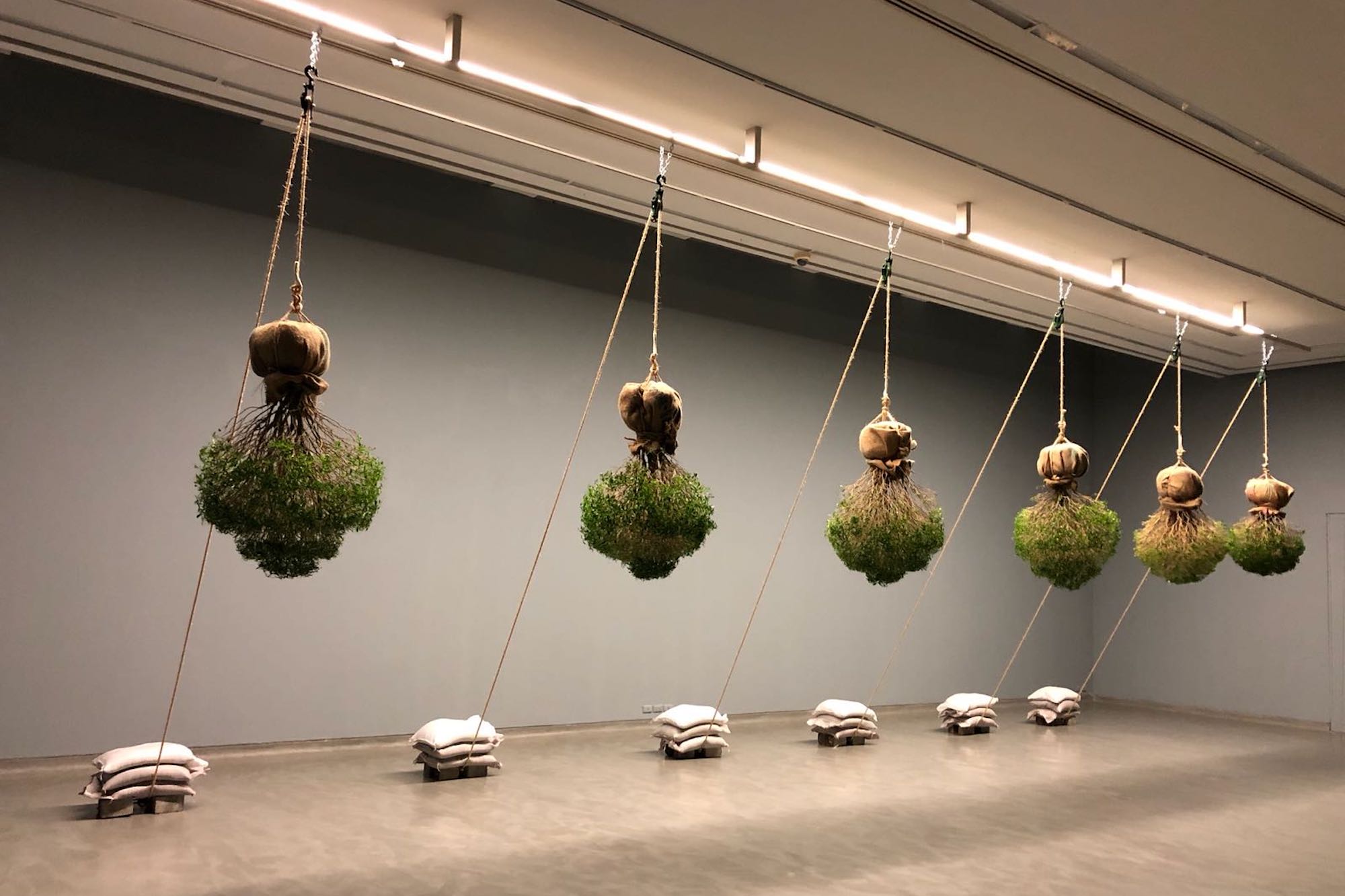
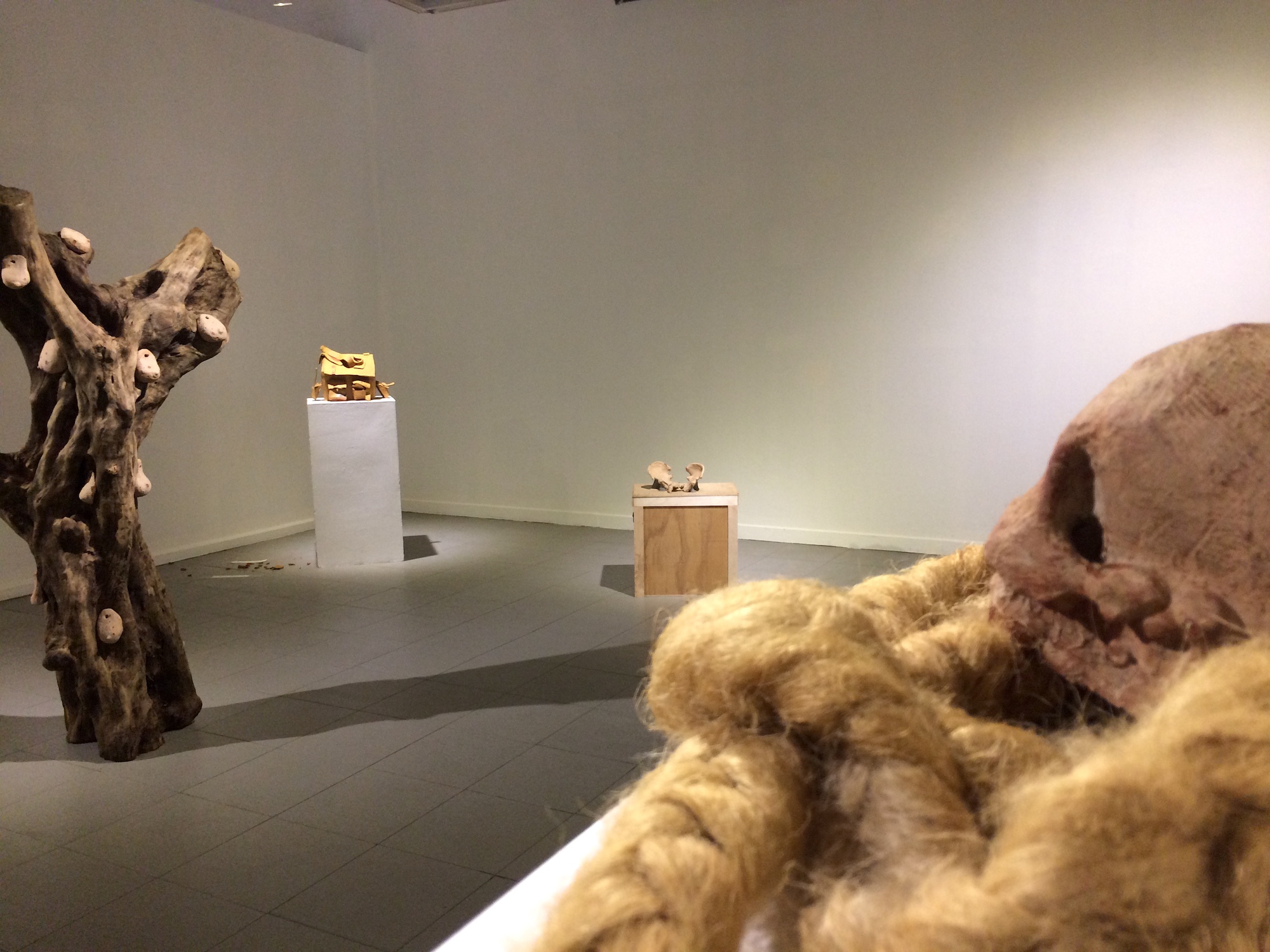
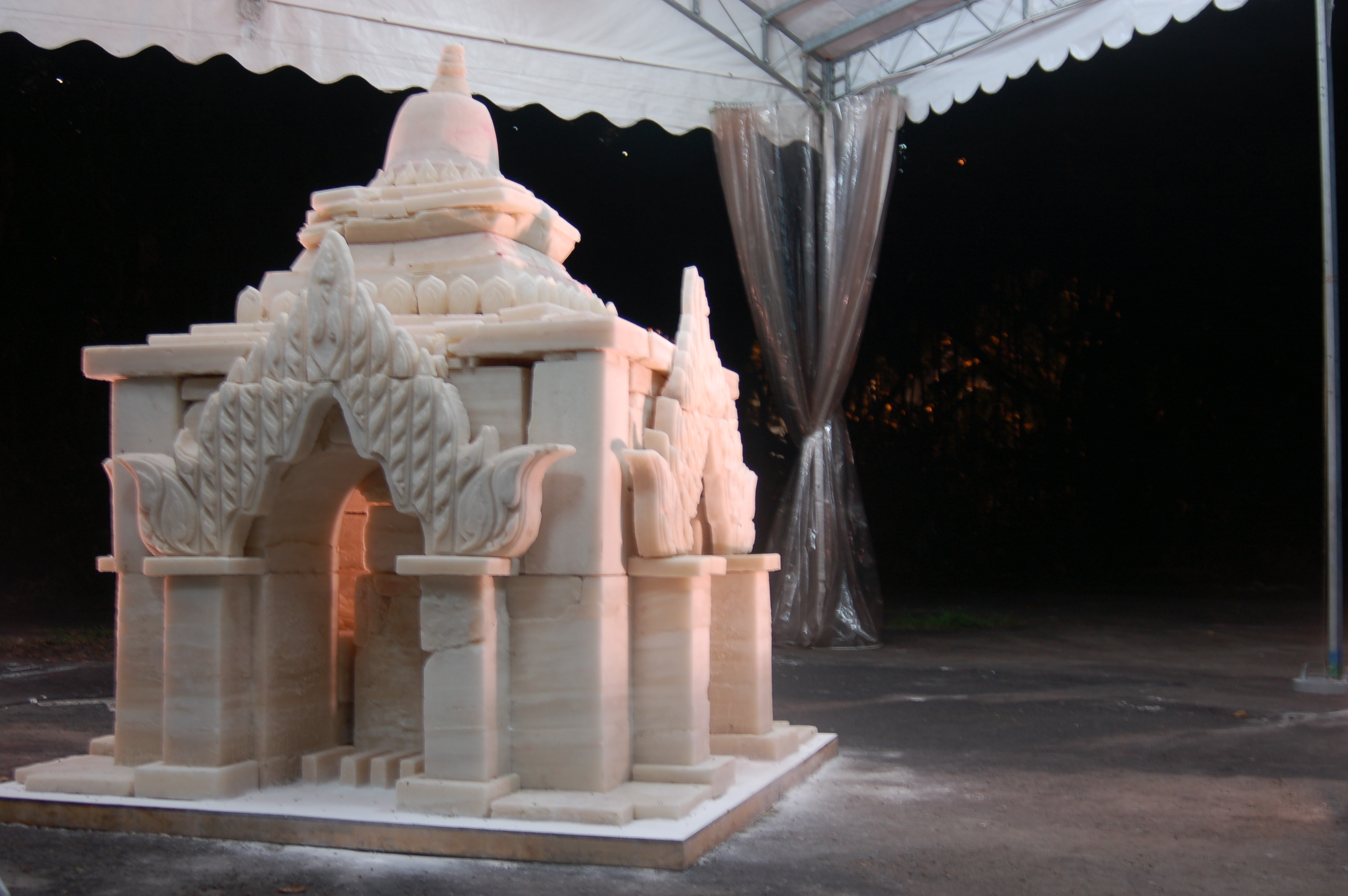
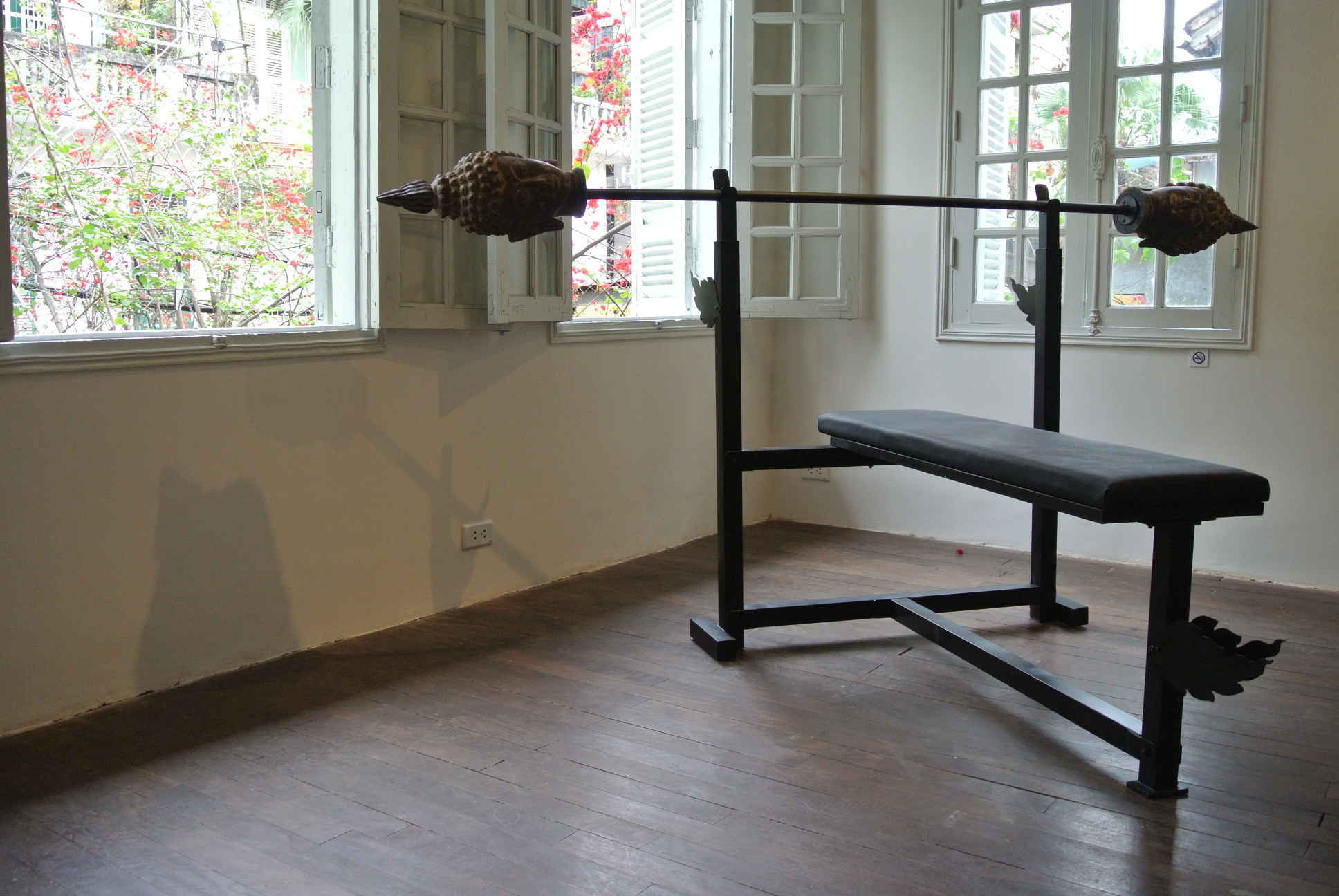
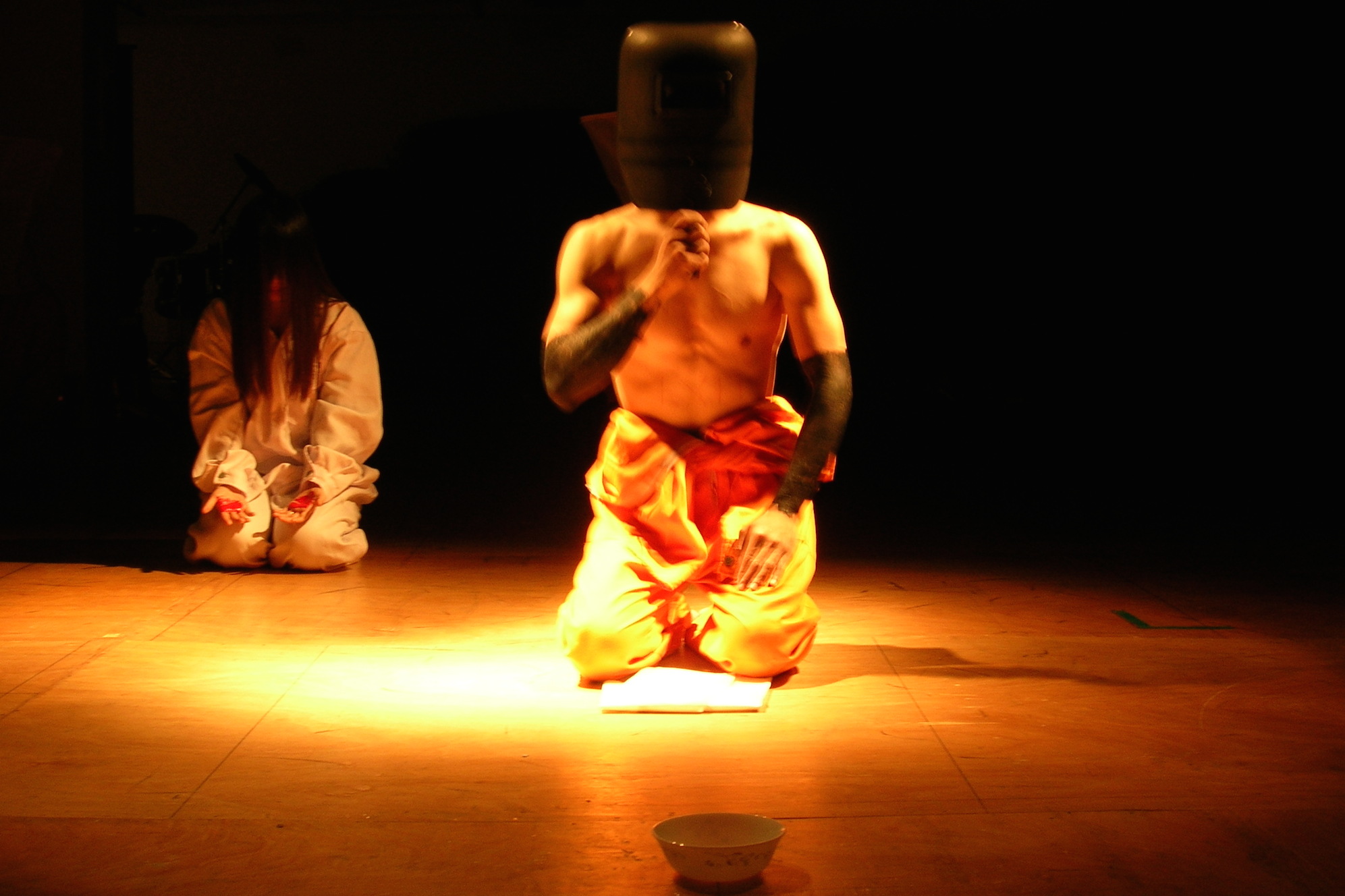
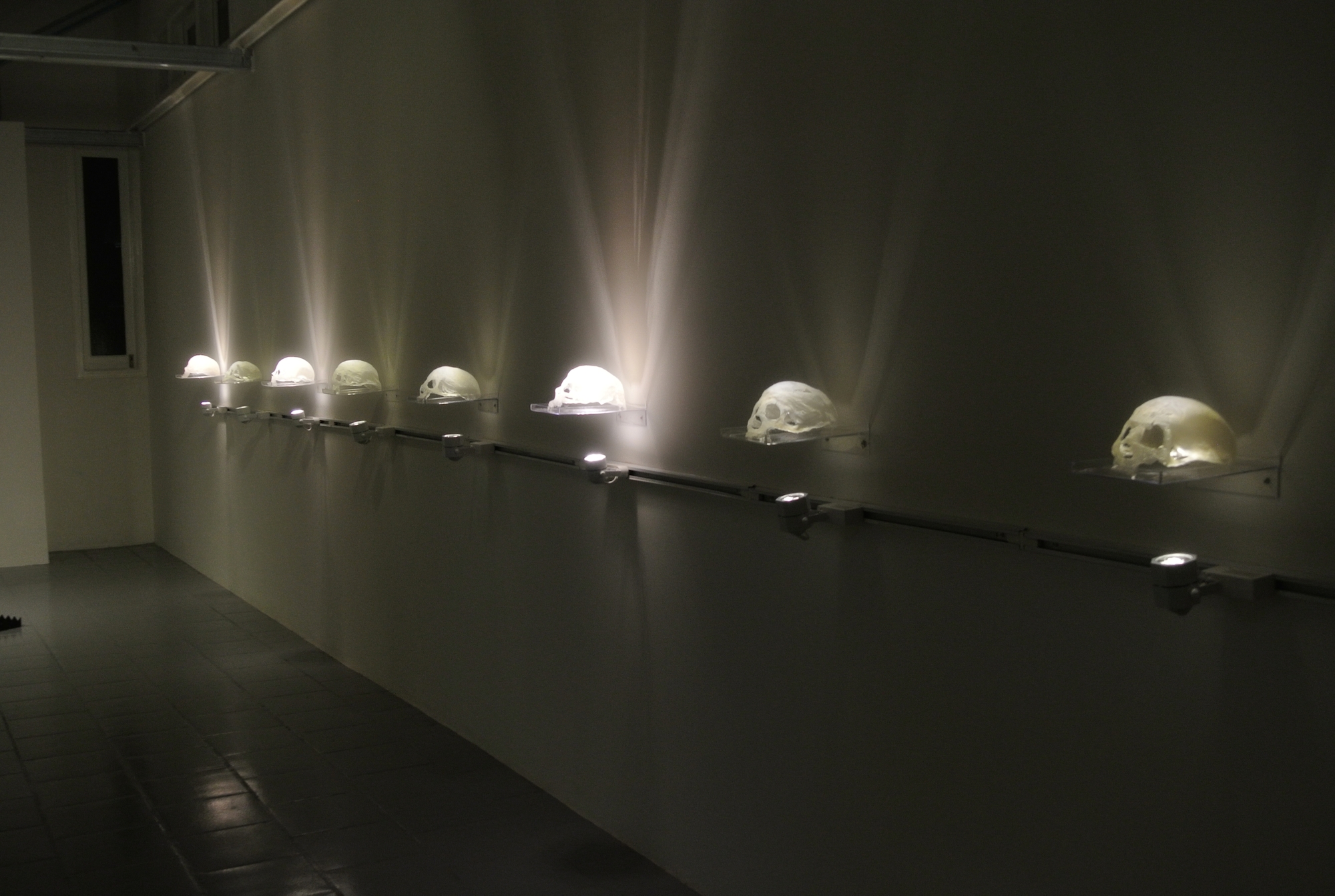
There is an interesting article today on the International Herald Tribune on the developing contemporary art scene in Cambodia. Thanks Christine for sending along the news. The article features Sopheap Pich, who in February had the opportunity to work with in Phnom Penh on a collaborative sound installation.
While the article might imply that the Vietnamese art scene is a developed one, it more closely shares the same challenges as Cambodia. In fact some challenges, such as government control of cultural production, are far more pervasive in Vietnam. Cambodia, on the otherhand faces the monumental task of recovering its intellectual and artistic identity after the decimation of its cultural base during the genocide. Go read the article. -RST
When the Cambodian-Americans Sopheap Pich and Linda Saphan returned to live in Phnom Penh a few years ago, they found little in the way of an art scene, nor did they find any word for visual arts in the local language. A handful of artists were working together in isolation, with neither official recognition or government support.
Determined to root out the maverick and to encourage contemporary artistic expression, the two formed an artists' group called Visual Arts Open (VAO). For their first show, in December, 16 painters and three photographers exhibited in nine galleries around the capital. It was the first group showing in Cambodia since the 1960s and laid the foundation for a cutting-edge art scene.
For Cambodians, the images proved resonant, startling even. In one painting, a crowd silently gathers to light candles for pchum banh, the ceremony of the dead, as night falls in Phnom Penh. In other images, a single drop of water hits a moonlit ocean, an ant balances a fish five times its size on its head, or rats scurry for safety as lightning cracks over a deserted Phnom Penh street.
But why has the evolution of the arts scene taken this long? Unlike in neighboring Vietnam, where a secular culture was established well before independence, Cambodia's culture was for a long time trapped in a kind of suspended animation. French colonialists set up schools for the faithful replication of bas- relief imagery and ornaments (kbach), ever-mindful of the demands of tourists, who came in large numbers after the Exposition Coloniale in Marseille in 1906.
IHT. Contemporary Art: After troubled past, new expressions in Cambodian art
Posted by on July 7, 2006 11:24 AM | Permalink